

Roadside emergencies can happen without warning, whether due to mechanical failure, accidents, weather conditions, or unexpected vehicle issues. Professional towing support plays a critical role in restoring roadway safety, protecting vehicles from additional damage, and helping drivers return to normal travel as quickly as possible.
Modern Delta Towing services extend far beyond vehicle transport. They now include roadside troubleshooting, accident recovery, equipment transport, and coordinated response systems that support both individual drivers and commercial fleets.
Companies such as BC Towing operate in service-focused models where response time, vehicle safety handling, and equipment quality determine service effectiveness. Reliable providers combine trained operators, modern fleet equipment, and region-specific knowledge to support drivers across Delta BC and surrounding regions.
BC Towing has developed service systems designed to support both emergency roadside incidents and scheduled transport needs across Delta and Surrey areas.
Understanding the Importance of Professional Delta Towing Services
Professional Delta towing services are essential components of roadway infrastructure. They support traffic management, emergency response coordination, and overall driver safety. Reliable towing Delta BC providers help ensure vehicles are removed safely while protecting road users and surrounding traffic conditions.
Safety Protection During Roadside Emergencies
When vehicles stop in unsafe traffic locations, professional towing prevents secondary accidents. Trained operators secure vehicles using specialized equipment that reduces roadside hazards. Proper scene management also supports emergency responders and protects other drivers navigating around disabled vehicles on busy Delta roadways and highways.
Additionally, reflective warning systems, traffic cones, and hazard lighting improve visibility for approaching drivers, helping reduce sudden braking risks and multi vehicle collision potential.
Preventing Additional Vehicle Damage
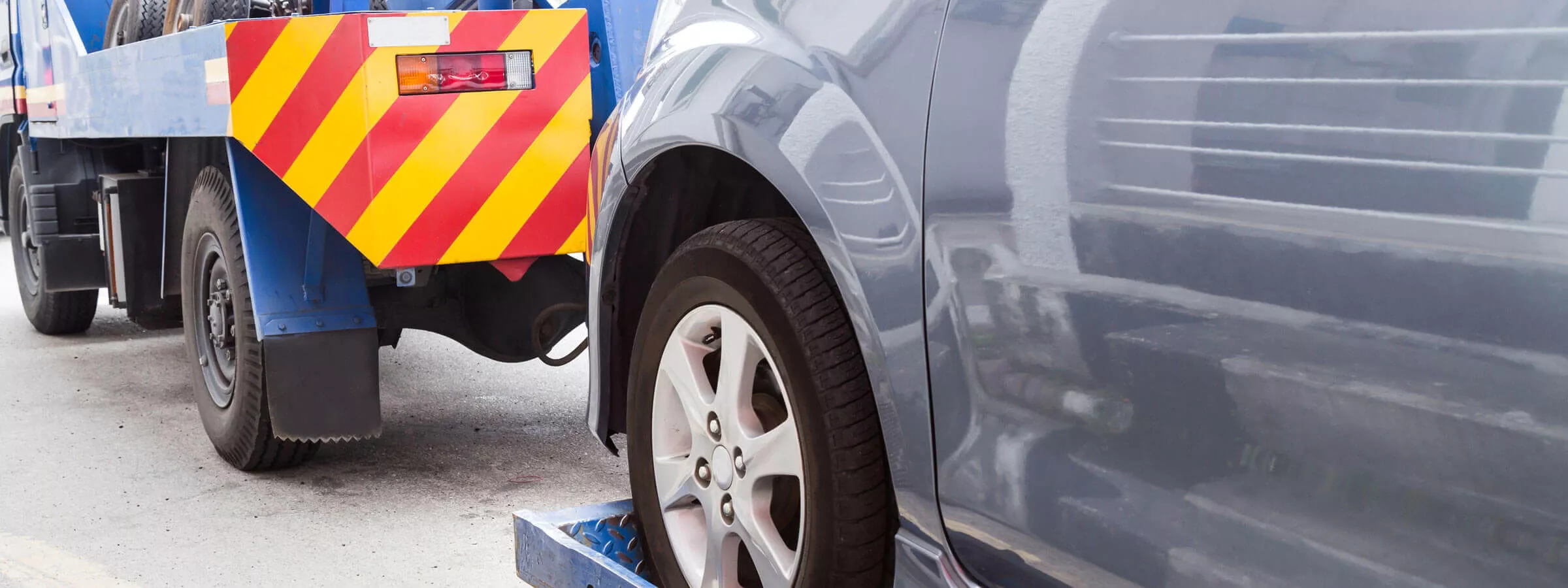
Improper towing methods can cause suspension damage, drivetrain stress, or frame misalignment. Professional towing companies use flatbeds, wheel lifts, and air cushion recovery methods. These tools help ensure vehicles remain stable during transport, especially when recovering damaged or specialty vehicles.
Using correct tie down techniques and weight distribution planning also helps protect alignment systems, body panels, and sensitive electronic components during transport.
Supporting Traffic Flow and Road Clearance
Quick vehicle removal reduces congestion and prevents further collision risks. Efficient roadway Towing Delta BC services help maintain safe traffic movement, particularly near bridges, highways, and major commuter corridors connecting Delta with surrounding cities and commercial zones.
Fast clearance also helps emergency services reach incidents quicker and minimizes disruption to public transport schedules and commercial delivery vehicle operations.
Emergency Support Beyond Towing
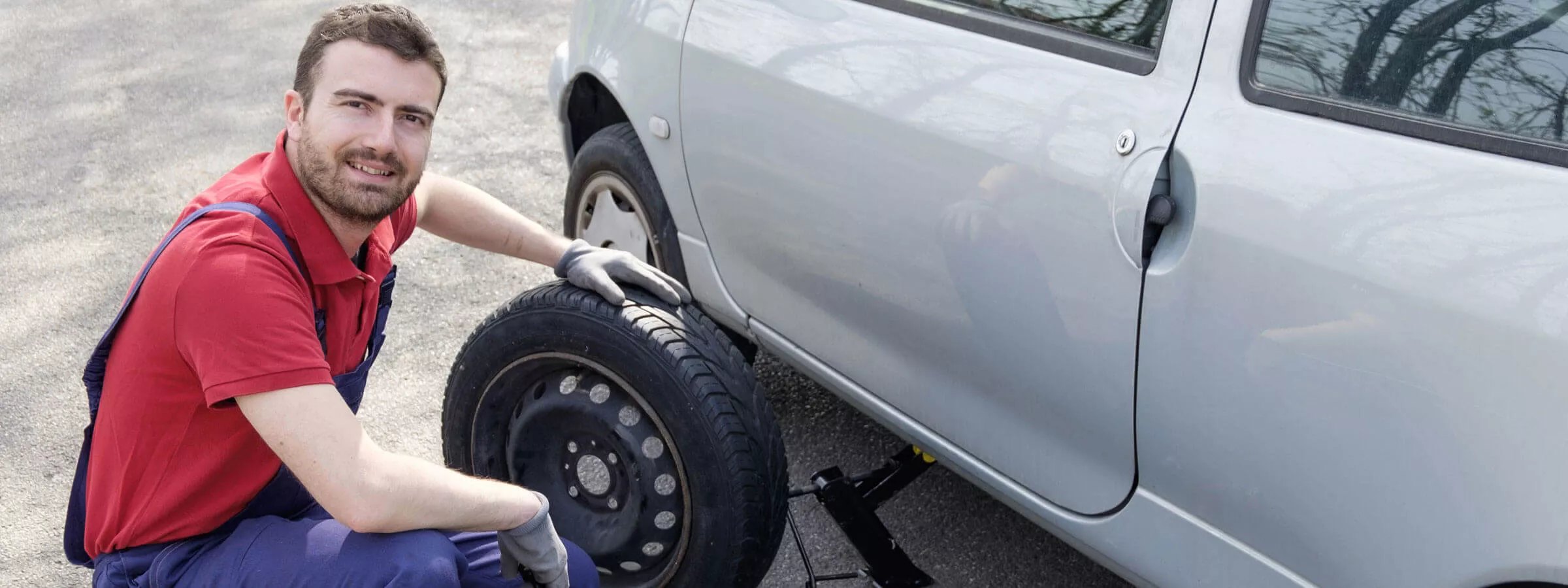
Many towing providers now include battery boosts, tire changes, fuel delivery, and lockout assistance. These services allow drivers to resume travel without requiring full vehicle towing, improving convenience and reducing overall roadside downtime for drivers and commercial operators.
This integrated roadside assistance approach helps reduce emergency response wait times and supports safer travel continuity during unexpected mechanical or fuel related breakdown situations.
Core Services Included in Modern Towing and Recovery
Modern towing providers now operate as full roadside support partners rather than simple vehicle transport providers. Their service range allows them to respond to mechanical failures, accidents, and commercial transport incidents with specialized equipment and trained personnel.
Light Duty Vehicle Towing Services: Light duty towing supports passenger vehicles, small SUVs, and motorcycles. Operators use wheel lifts or flatbed trucks to safely transport vehicles. This service is commonly used for breakdowns, accident removal, and dealership or repair shop transport.
Medium and Heavy-Duty Recovery Operations: Commercial vehicles require specialized towing equipment and trained operators. Heavy duty towing supports delivery of trucks, construction equipment, and fleet vehicles. These services are critical for keeping commercial transport networks function safely.
Accident Recovery and Scene Management: Accident recovery involves debris removal, vehicle extraction, and coordination with law enforcement. Professional operators help restore road safety while minimizing environmental impact and traffic disruption during recovery operations.
Roadside Mechanical Support Services: Many providers now include mechanical assistance. Services often include jump starts, tire replacement, and fuel delivery. These services can reduce the need for full towing when issues can be resolved on roadside.
Delta Towing vs General Roadside Assistance
Drivers often assume all roadside services offer the same level of support, but equipment, training, and response capabilities vary significantly. Understanding these differences helps drivers choose services that match emergency needs and vehicle safety requirements.
1. Equipment Capability Differences
Towing companies operate specialized fleets including flatbeds and heavy recovery trucks. Roadside-only services typically focus on minor mechanical assistance and cannot handle vehicle transport or accident recovery operations.
Advanced towing fleets are also equipped with hydraulic systems, load stabilization tools, and specialized towing attachments designed for different vehicle types. This allows operators to safely manage luxury cars, electric vehicles, and heavily damaged vehicles without causing additional mechanical or structural harm during transport.
2. Response Time and Coverage Areas
Dedicated towing providers operate within mapped service zones to improve response time accuracy. Coverage planning allows faster dispatch compared to general roadside subscription services operating across larger regions.
Many professional towing companies use GPS dispatch systems and real-time traffic monitoring tools to optimize route planning. This technology helps reduce waiting time for stranded drivers and improves emergency response coordination, especially in high traffic highways, remote roads, and severe weather conditions.
3. Training and Certification Standards
Professional towing operators complete safety training related to vehicle handling, recovery rigging, and traffic scene safety. This training improves recovery outcomes and reduces secondary damage risks.
In addition to technical training, many operators receive certification in emergency roadside management, hazard identification, and customer safety communication. Ongoing training programs ensure teams stay updated with new vehicle technologies, electric vehicle safety protocols, and modern recovery equipment operation standards.
4. Service Availability and Emergency Support
Many towing providers operate 24/7 emergency dispatch systems. Continuous availability ensures support during late night travel, extreme weather, and long-distance highway driving situations.
Round-the-clock support also allows faster assistance during peak accident hours and holiday travel periods. Emergency dispatch centers often coordinate with local authorities, traffic management teams, and repair facilities to ensure efficient roadside clearance and driver safety during critical situations.
Service Areas Supporting Delta and Surrounding Communities
Regional towing coverage is critical in areas with high commuter traffic and commercial transport activity. Providers typically structure their service zones to ensure rapid response across municipal and highway regions connected to Delta. Reliable towing in Delta BC coverage helps reduce roadside risk, improve emergency response times, and support both personal and commercial transportation networks.
Delta Residential and Commercial Coverage
Towing companies support residential drivers, logistics companies, and municipal services across the Delta region. Coverage typically includes key residential and commercial zones to ensure fast response during emergencies and scheduled towing needs.
Common coverage zones include:
• North Delta residential neighborhoods
• Ladner commercial and marina areas
• Tsawwassen residential and ferry corridor routes
• Industrial zones supporting freight and logistics traffic
This broad coverage ensures consistent roadway towing in Delta BC support for both daily commuters and commercial vehicle operators.
Surrey and Greater Regional Support
Many towing providers operate dual service coverage across Surrey and Delta. This service structure improves dispatch efficiency and reduces response times for drivers traveling between municipalities.
Regional service advantages include:
• Faster dispatch routing between Surrey and Delta
• Improved support for cross city commuters
• Better emergency response along shared traffic corridors
• Expanded equipment availability across service zones
This regional model supports consistent towing and recovery availability across municipal boundaries.
Bridge and Highway Emergency Support
Delta includes major transportation corridors and bridge access routes connecting to Metro Vancouver. These high traffic zones require specialized towing readiness and fast incident response capability.
High priority roadway support typically includes:
• Highway accident recovery services
• Bridge incident response towing
• Commercial vehicle breakdown removal
• Emergency Lane clearance support
Rapid response in these areas helps maintain traffic safety and reduces congestion risks.
Fleet and Commercial Transport Support
Commercial fleet towing requires coordinated response systems to minimize operational downtime and protect business supply chains. Towing providers often work directly with fleet to dispatch teams and logistics managers.
Fleet support services commonly include:
• Scheduled fleet vehicle transport
• Emergency commercial vehicle recovery
• Heavy equipment towing coordination
• Logistics support communication with dispatch teams
This structured support helps maintain delivery schedules and improves operational continuity for commercial fleets operating across Delta and surrounding areas.
| Service Type | Typical Use Case | Equipment Used | Benefits |
|---|---|---|---|
| Light Duty Towing | Passenger vehicle breakdowns | Flatbed or wheel lift | Prevents vehicle damage |
| Heavy Duty Towing | Commercial truck recovery | Heavy recovery tow trucks | Supports logistics operations |
| Accident Recovery | Collision removal | Winch and recovery rigging | Improves roadway safety |
| Roadside Assistance | Minor mechanical issues | Service truck | Faster driver recovery |
| Vehicle Transport | Dealership or relocation transport | Flatbed truck | Secure long distance transport |
Most drivers only think about towing after an emergency occurs. However, understanding common towing situations helps drivers react faster and make safer roadside decisions when unexpected vehicle issues arise.
Vehicle Mechanical Failure: Engine failure, overheating, or electrical problems can disable vehicles unexpectedly. Professional towing ensures safe transport to repair facilities.
Road Traffic Collisions: Accident recovery requires trained towing operators. Quick removal reduces traffic congestion and improves emergency response efficiency.
Severe Weather Vehicle Issues: Snow, heavy rain, or icy roads increase accident and breakdown risk. Towing providers support drivers during extreme weather conditions.
Long Distance Vehicle Transport: Vehicle relocation and dealership transport require secure flatbed towing to prevent wear during long distance transport.
How BC Towing Supports Roadway Safety
BC Towing provides structured towing and roadside service coverage across Delta and surrounding areas. The company focuses on response efficiency, trained operators, and safe vehicle handling during transport and recovery operations.
Through coordinated dispatch systems and modern towing fleets, BC Towing supports drivers experiencing breakdowns, accidents, or mechanical failures across regional road networks. BC Towing continues investing in equipment upgrades and operator training to improve roadside safety standards across service areas.
Conclusion
Professional towing services play a vital role in maintaining safe roadways, protecting vehicles, and helping drivers recover from unexpected roadside situations. Whether emergency response, accident recovery, or scheduled transport, reliable towing ensures vehicles are handled safely and efficiently.
If you need professional assistance, you can contact us to connect with trained towing professionals who can support roadside emergencies, vehicle recovery, and transport requirements.
BC Towing continues supporting drivers across Delta and surrounding regions through structured service response systems and safety focused towing practices.
Frequently Asked Questions
1. How quickly can Delta towing services respond?
Most providers operate 24/7 dispatch systems. Response time depends on traffic, weather, and service demand.
2. What vehicles can towing and recovery services handle?
Most providers support passenger vehicles, commercial trucks, and specialized equipment depending on fleet capability.
3. Is roadway towing Delta different from emergency towing?
Roadside towing usually refers to breakdown transport, while emergency towing may involve accident recovery or urgent highway removal.
4. Do towing Delta BC services include roadside repair help?
Yes. Many providers include battery boosts, tire changes, lockout assistance, and fuel delivery.
5. When should I call a towing service instead of roadside repair?
If the vehicle cannot safely drive, shows severe mechanical failure, or is damaged in an accident, towing is recommended.