
Modern vehicles are designed with advanced safety systems, complex drivetrains, and sensitive electronic components. While these innovations improve driving performance, they also require careful handling during breakdowns or accidents. Improper towing methods can cause hidden mechanical damage, alignment issues, or electronic failures.
Professional roadside assistance plays an essential role in protecting vehicles during emergencies. Whether a driver needs a tow truck after a collision or requires immediate road assistance service, proper procedures ensure safe removal and transportation.
Companies such as BC Towing follow structured towing practices that prioritize vehicle transport safety while minimizing risks associated with roadside recovery operations.
Understanding Modern Vehicle Towing Requirements
Modern automobiles differ significantly from older vehicles in structure and technology. Lightweight materials, electric systems, and advanced suspension designs require specialized towing techniques to avoid unnecessary damage during transport.
Proper towing Surrey operations focus on maintaining stability, protecting drivetrain components, and preventing stress on sensitive vehicle systems. Experienced operators assess each vehicle individually before selecting towing equipment or recovery methods.
Why Modern Vehicles Require Specialized Handling
Modern vehicles contain sensors, cameras, and computer-controlled systems that can malfunction if transported incorrectly. Improper lifting angles or wheel positioning may affect alignment and electronic calibration.
Roadside assistance providers evaluate drivetrain type, ground clearance, and vehicle weight distribution before initiating transport, ensuring safe movement without compromising performance or long-term reliability.
The Role of a Tow Truck in Vehicle Protection
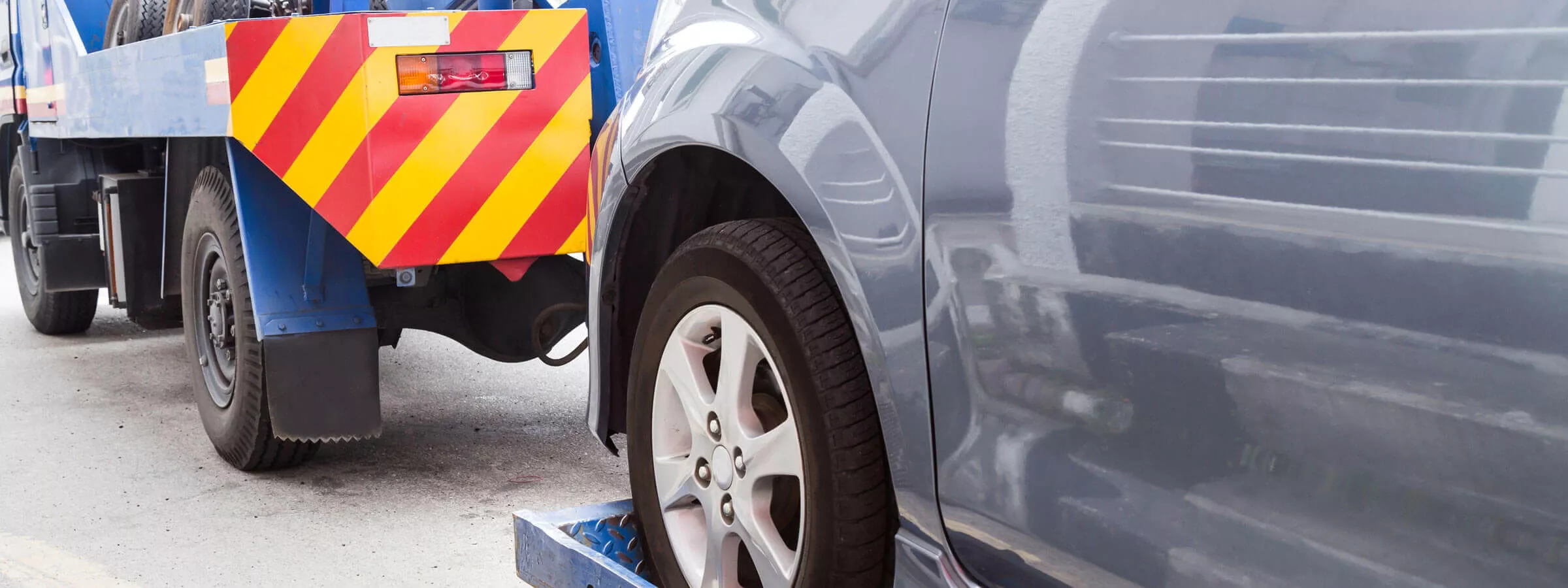
Tow trucks are no longer simple hauling machines. Today’s equipment integrates hydraulic controls, stabilization systems, and adaptable loading mechanisms designed to accommodate different vehicle types safely.
Using the correct tow truck reduces mechanical strain and improves vehicle transport safety during relocation from highways, residential areas, or accident scenes.
Types of Tow Trucks Used Today
Different towing scenarios require different equipment configurations. Operators determine the safest method based on vehicle conditions and roadway environments.
- Flatbed tow truck systems for full vehicle support
- Wheel lift systems for short-distance towing Surrey situations
- Integrated trucks designed for rapid roadside service response
- Heavy-duty units for commercial or large vehicle recovery
BC Towing operators carefully select equipment to ensure vehicles remain stable throughout transportation.
Flatbed Towing and Vehicle Protection
Flatbed towing has become a preferred method for transporting modern vehicles because it eliminates rolling movement during transit. This method supports the entire vehicle structure instead of relying on partial lifting.
Flatbed towing benefits include reduced wear on tires, suspension, and drivetrain components, making it ideal for luxury vehicles, electric cars, and accident-damaged automobiles.
Why Flatbed Transport Improves Safety
When vehicles are fully supported on a platform, stress on mechanical components decreases significantly. This approach enhances vehicle transport safety by preventing unnecessary rotation of wheels or drivetrain movement.
Roadside assistance professionals often recommend flatbeds when vehicles cannot operate safely or when mechanical damage is suspected after a breakdown.
Roadside Service and Immediate Risk Reduction
Breakdowns often occur in unpredictable environments such as highways or busy intersections. Immediate roadside service reduces exposure to traffic hazards and helps drivers regain safety quickly.
Reliable road assistance service ensures vehicles are assessed promptly and moved away from dangerous locations before further complications occur.
Common Situations Requiring Roadside Support
Drivers frequently require roadside assistance for unexpected mechanical or operational issues. Quick response reduces risks associated with stranded vehicles.
- Engine failure or overheating
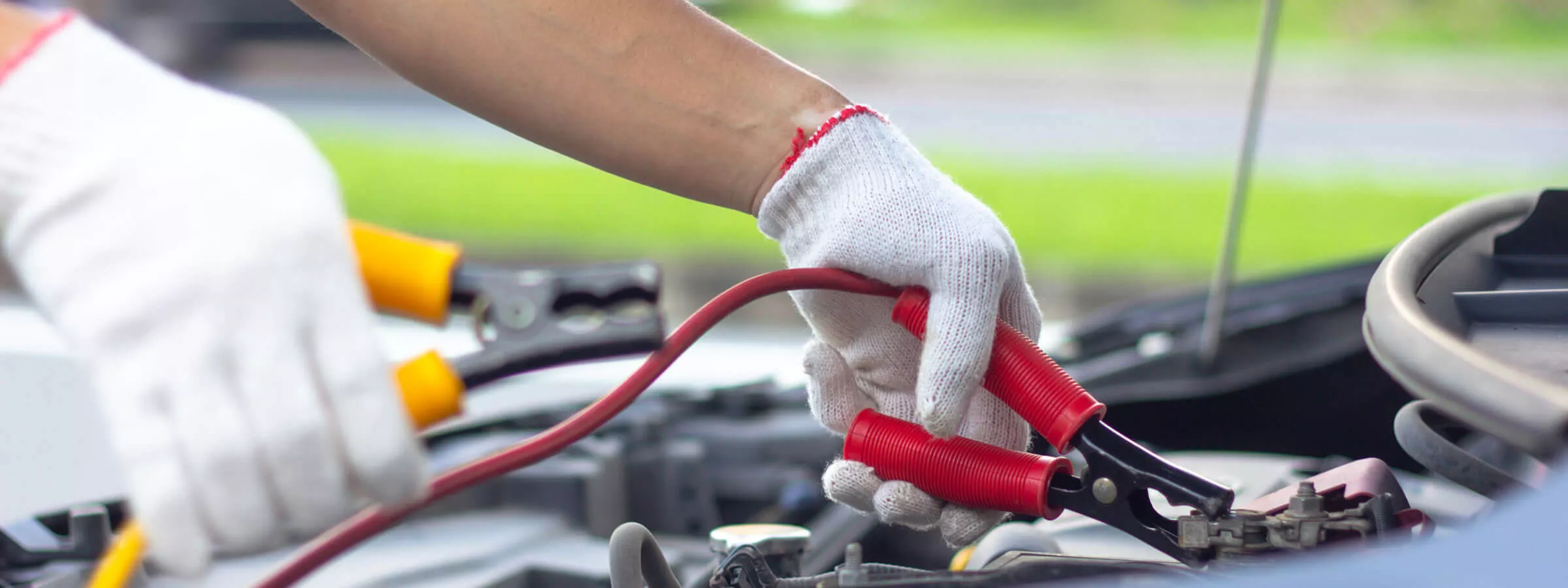
- Battery failure requiring assistance
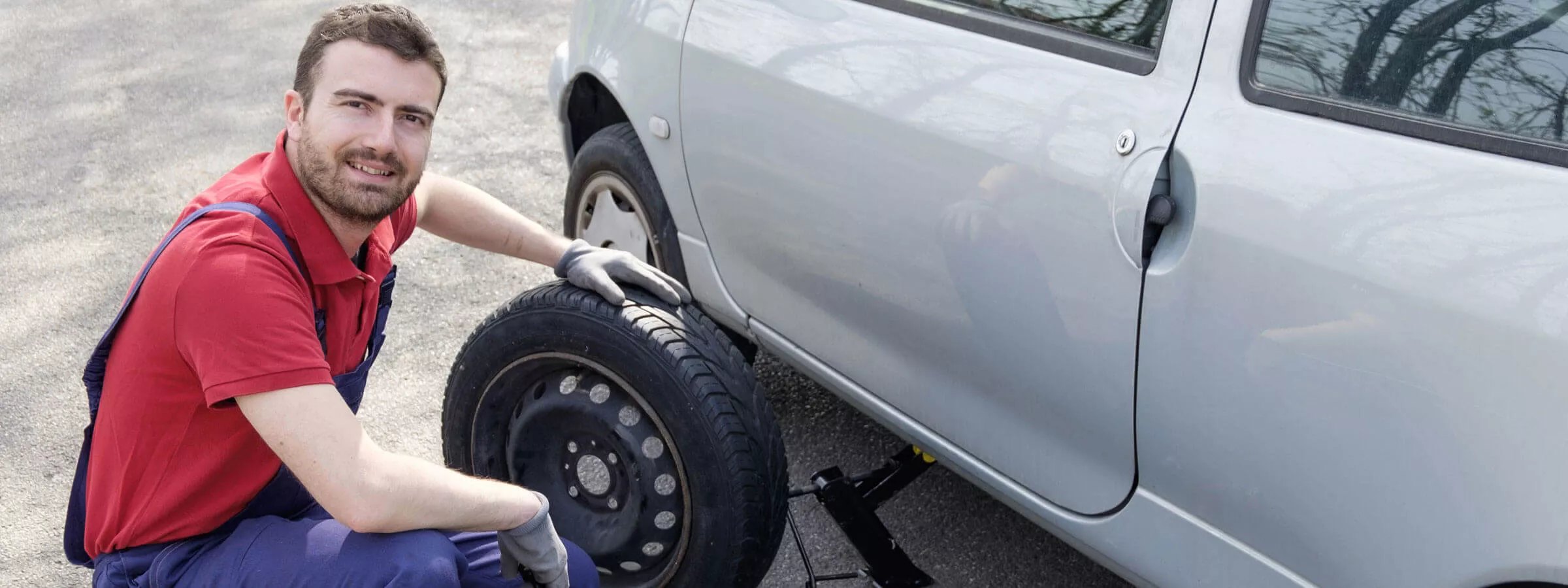
- Tire damage or punctures
- Fuel delivery emergencies
- Lockout situations affecting driver access
BC Towing emphasizes structured roadside response procedures designed to protect both drivers and surrounding traffic.
Towing Surrey Operations and Local Road Conditions
Urban and suburban environments present unique towing challenges due to traffic density, road layouts, and weather variations. Professional towing Surrey providers understand local infrastructure and adjust strategies accordingly.
Safe towing depends on efficient coordination, traffic awareness, and appropriate equipment positioning during vehicle recovery.
Local Knowledge and Operational Efficiency
Understanding traffic flow and roadway design allows operators to complete towing tasks safely. Local experience improves response planning and minimizes disruption during roadside assistance operations.
Drivers benefit when recovery teams anticipate environmental risks such as congestion, narrow streets, or construction zones common within Surrey road networks.
Road Assistance Service and Driver Safety
Road assistance service extends beyond towing by providing immediate solutions that may eliminate the need for transport altogether. Minor issues can often be resolved directly at the roadside.
This proactive approach improves vehicle transport safety by addressing problems early and preventing additional mechanical complications.
Preventative Support Through Roadside Assistance
Roadside professionals evaluate vehicle condition before recommending towing. Early intervention helps drivers avoid larger repairs or unsafe driving conditions.
- Battery boosting and diagnostics
- Tire replacement support
- Fluid level inspection
- Safety checks before continued driving
BC Towing integrates roadside assistance into broader recovery operations to ensure comprehensive driver support.
Technology Supporting Modern Towing Safety
Technological advancements have improved coordination between dispatch teams and operators, allowing faster response times and safer vehicle handling.
Digital systems enhance communication, improve navigation accuracy, and support documentation processes that protect both vehicle owners and service providers.
Digital Tools Used in Roadside Assistance
Modern towing relies on technology to maintain efficiency and accountability during service delivery.
- GPS dispatch systems assigning nearest tow truck
- Digital inspection records documenting vehicle condition
- Route optimization reducing travel delays
- Communication platforms connecting drivers and operators
These systems strengthen vehicle transport safety by ensuring informed decision-making throughout towing operations.
Focus Roadside Assistance and Preventative Care
Focus roadside assistance emphasizes preparedness and proactive support rather than reactive towing alone. Drivers benefit when service providers prioritize assessment before transport.
Proper evaluation ensures that towing occurs only when necessary, helping preserve vehicle condition while reducing avoidable risks.
Preventative Practices in Modern Assistance Services
Preventative roadside assistance improves outcomes by identifying minor issues early. Structured evaluation helps drivers make informed decisions about repairs or transportation.
- Mechanical diagnostics during roadside service
- Safety inspections before vehicle relocation
- Driver guidance regarding next steps
- Documentation supporting insurance processes
BC Towing applies structured assessment practices to maintain consistent safety standards.
Choosing Professional Towing Services
Selecting the right provider directly influences towing outcomes. Reliable services emphasize safety procedures, trained operators, and appropriate equipment rather than speed alone.
Drivers should evaluate operational practices to ensure safe roadside assistance experiences during emergencies.
Key Factors Drivers Should Evaluate
Understanding service quality indicators helps drivers make informed choices.
- Operator training and certification standards
- Availability of modern tow truck equipment
- Experience with towing Surrey environments
- Clear communication during roadside service
- Commitment to vehicle transport safety protocols
Professional providers maintain transparency and structured operational methods.
The Importance of Vehicle Transport Safety Standards
Vehicle transport safety is guided by established operational principles designed to prevent damage during towing. Proper loading angles, secure fastening, and equipment inspection all contribute to safe transportation. Consistent safety standards protect drivers, operators, and other road users.
Vehicle Inspection Before Loading
Before towing begins, operators carefully inspect vehicle condition, structural stability, and visible damage. This assessment ensures the appropriate towing method is selected while preventing additional mechanical or cosmetic issues during transportation.
Secure Attachment Using Approved Equipment
Professional roadside assistance teams use certified straps, chains, and fastening systems designed to hold vehicles securely. Proper attachment prevents shifting during movement and maintains balance throughout transport, improving overall vehicle transport safety.
Stability Checks Before Departure
Operators conduct stability evaluations after loading the vehicle onto the tow truck. These checks confirm weight distribution, attachment security, and equipment alignment, ensuring safe travel conditions before leaving the recovery location.
Continuous Monitoring During Transport
During transportation, operators continuously monitor vehicle positioning and equipment performance. Adjustments may be made when necessary to maintain safety standards, especially during long-distance roadside assistance operations or challenging road conditions.
BC Towing emphasizes safety consistency across all towing and roadside assistance scenarios.
Conclusion
Proper towing methods play a critical role in protecting modern vehicles during breakdowns and emergencies. From selecting the correct tow truck to applying flatbed towing benefits and maintaining vehicle transport safety, structured roadside assistance ensures vehicles are handled responsibly.
Professional towing Surrey services combine technology, operator training, and safe recovery procedures to reduce risks associated with roadside incidents. Drivers benefit when experienced providers focus on careful evaluation and organized service delivery.
For more information about safe towing practices or request reach out to us to learn how roadside assistance solutions help maintain vehicle safety during unexpected situations.
Frequently Asked Questions
1. Why is roadside assistance important for modern vehicles?
Roadside assistance ensures vehicles are handled safely during breakdowns, preventing additional mechanical or electronic damage while improving driver safety.
2. When should a tow truck be used instead of roadside repair?
A tow truck is necessary when a vehicle cannot operate safely, has drivetrain damage, or requires transport to prevent further mechanical issues.
3. What are the main flatbed towing benefits?
Flatbed towing benefits include full vehicle support, reduced tire wear, drivetrain protection, and improved vehicle transport safety during long-distance towing.
4. How does Towing Surrey differ from rural towing?
Towing Surrey operations require greater traffic awareness, quicker response coordination, and careful maneuvering due to dense urban road conditions.
5. What services are included in road assistance service?
Road assistance services typically include battery boosts, tire changes, fuel delivery, lockout assistance, and towing when necessary.