
A tire blowout is one of the most unexpected roadside emergencies drivers can experience. Whether you are driving on Highway 1, Fraser Highway, King George Boulevard, or local Surrey streets, a sudden tire failure can create a dangerous situation. Knowing what to do immediately after a blowout can help you stay safe, reduce vehicle damage, and prevent accidents.
Drivers who experience tire issues often rely on emergency roadside towing and roadside service support to safely manage the situation. At BC Towing, we assist Surrey drivers every day with tire-related emergencies and understand how important it is to respond correctly when a blowout occurs.
Recognizing the Signs of a Tire Blowout
Many tire blowouts do not happen without warning. Tires often show signs of wear, damage, or pressure problems before they fail completely. Understanding these warning signs can help drivers take action before a dangerous situation develops on Surrey roads.
Common Warning Signs Before Tire Failure
A tire that is nearing failure may produce noticeable symptoms while driving. These warning signs should never be ignored because they often indicate underlying tire damage or excessive wear that could lead to a blowout during travel.
Common signs include vibrations, steering wheel shaking, uneven tire wear, reduced handling performance, and unusual noises coming from the wheel area. Regular inspections can help identify these issues before they become serious safety concerns.
Why Tire Blowouts Happen
Several factors contribute to tire blowouts, including underinflation, overinflation, road hazards, excessive heat, and worn tread. Poor tire maintenance can increase the risk of sudden failure, particularly during long-distance driving or high-speed travel on busy Surrey roadways.
Drivers who notice any of these warning signs should consider arranging a roadside service inspection before continuing their journey.
Stay Calm and Maintain Vehicle Control
The moments immediately following a tire blowout are critical. Drivers who react calmly are more likely to maintain control of their vehicles and avoid collisions. Panic braking or abrupt steering corrections can increase the risk of losing control.
Keep a Firm Grip on the Steering Wheel
A tire blowout may cause the vehicle to pull sharply toward one side. Maintaining a firm grip on the steering wheel helps stabilize the vehicle and allows the driver to maintain directional control while gradually reducing speed.
Avoid sudden steering movements. Focus on keeping the vehicle travelling straight until it becomes safe to move toward the roadside. Controlled actions can significantly reduce accident risks.
Reduce Speed Gradually
Many drivers instinctively apply the brakes immediately after a blowout. However, sudden braking can make the vehicle unstable. Instead, ease off the accelerator and allow the vehicle to slow naturally before applying light braking if necessary.
Drivers who are unable to regain control safely may require instant roadside assistance to secure the situation and obtain professional support.
Move to a Safe Location
Once the vehicle is under control, the next priority is finding a safe place to stop. Traffic conditions on Surrey roads can create additional hazards if a disabled vehicle remains in active travel lanes. Choosing a secure location helps protect you, your passengers, and other motorists while you assess the situation or wait for assistance.
Choose a Safe Stopping Area
Look for a wide shoulder, parking lot, rest area, or other safe location away from moving traffic. If possible, avoid stopping on curves, hills, or areas with limited visibility where approaching drivers may not see your vehicle quickly enough. Selecting a visible and stable area can significantly reduce roadside risks.
Safe stopping practices include:
- Move as far away from traffic as possible
- Choose a flat and stable surface
- Avoid stopping near blind corners or hills
- Turn on hazard lights immediately
- Keep a safe distance from moving vehicles
Activating hazard lights immediately helps alert other road users that your vehicle is experiencing an emergency situation.
Increase Your Visibility
Visibility is especially important during nighttime driving, rain, fog, or heavy traffic conditions. Reflective triangles, emergency lights, and hazard flashers can improve visibility and reduce the risk of secondary accidents. Taking additional precautions helps other drivers recognize your disabled vehicle from a greater distance.
Ways to improve roadside visibility include:
- Turn on hazard warning lights
- Place reflective triangles behind the vehicle
- Use roadside emergency lights if available
- Wear reflective clothing when outside the vehicle
- Stay in a well-lit area whenever possible
If conditions are unsafe, remaining inside the vehicle while waiting for roadside service may be the safest option.
Assess the Tire and Vehicle Damage
After reaching a safe location, evaluate the condition of the damaged tire and surrounding vehicle components. Some blowouts affect only the tire, while others cause additional mechanical damage. A careful inspection can help determine whether the vehicle can be safely driven or requires professional assistance.
Inspect the Tire Carefully
Look for shredded rubber, exposed steel belts, torn sidewalls, or complete tire separation. Severe damage usually indicates that the tire cannot be repaired and will require replacement before the vehicle can be safely driven again. Conducting a visual inspection can help you understand the extent of the tire failure.
Signs of severe tire damage include:
- Torn or ripped sidewalls
- Exposed internal steel belts
- Large punctures or splits
- Completely deflated tire structure
- Detached pieces of tread
A visual inspection can provide valuable information about the severity of the situation and help determine the next steps.
Check for Additional Vehicle Damage
Blowouts can sometimes damage wheels, suspension components, brake lines, or wheel wells. If any structural or mechanical damage is visible, driving the vehicle further may create additional safety risks. In these situations, a professional road assistance service can help determine whether towing is required.
Decide Whether a Tire Change Is Safe
Not every tire blowout requires towing. However, roadside tire replacement should only be attempted when conditions are safe and the driver has the proper equipment and knowledge.
When a Spare Tire Can Be Used
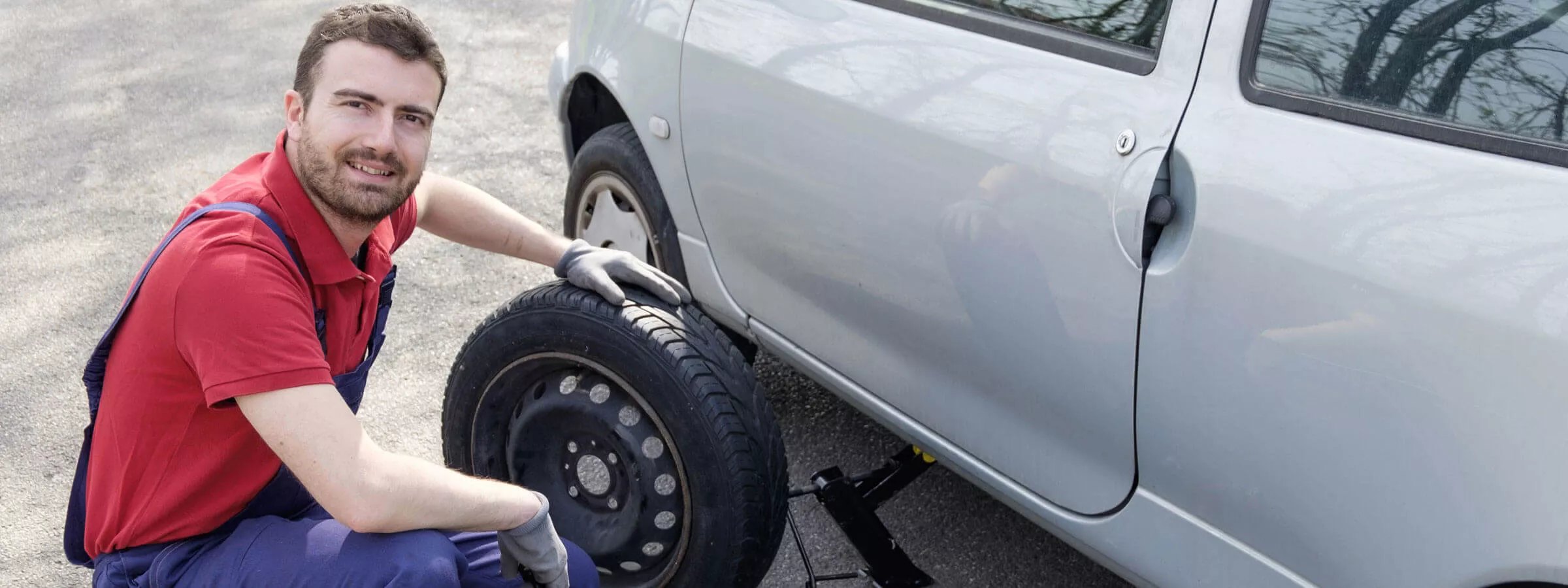
If the vehicle is parked safely away from traffic and the wheel assembly remains undamaged, installing a spare tire may be possible. Ensure the spare tire is properly inflated and suitable for temporary use.
Always follow the vehicle manufacturer's instructions when replacing a tire.
When Professional Help Is the Better Choice
There are situations where changing a tire yourself may not be safe. Heavy traffic, poor weather conditions, inadequate lighting, or physical limitations can make roadside repairs hazardous.
Professional roadside service providers can safely handle tire replacements and minimize risks to drivers and passengers.
When to Call Professional Assistance
Certain tire blowouts require immediate professional support. Knowing when to call for help can prevent further vehicle damage and improve overall roadside safety.
Benefits of Instant Roadside Assistance
Professional service providers have the tools, equipment, and training needed to manage roadside emergencies efficiently. They can inspect the vehicle, replace a tire when possible, and determine whether additional repairs are required.
Using instant roadside assistance can help drivers avoid unnecessary risks and receive guidance from trained professionals.
Situations That Require Immediate Support
Drivers should consider professional assistance when they cannot safely replace the tire, when vehicle damage is suspected, or when traffic conditions create additional danger. Professional responders can evaluate the situation and recommend the safest solution.
BC Towing regularly provides instant roadside assistance to drivers dealing with unexpected tire failures across Surrey.
How Emergency Towing Can Help
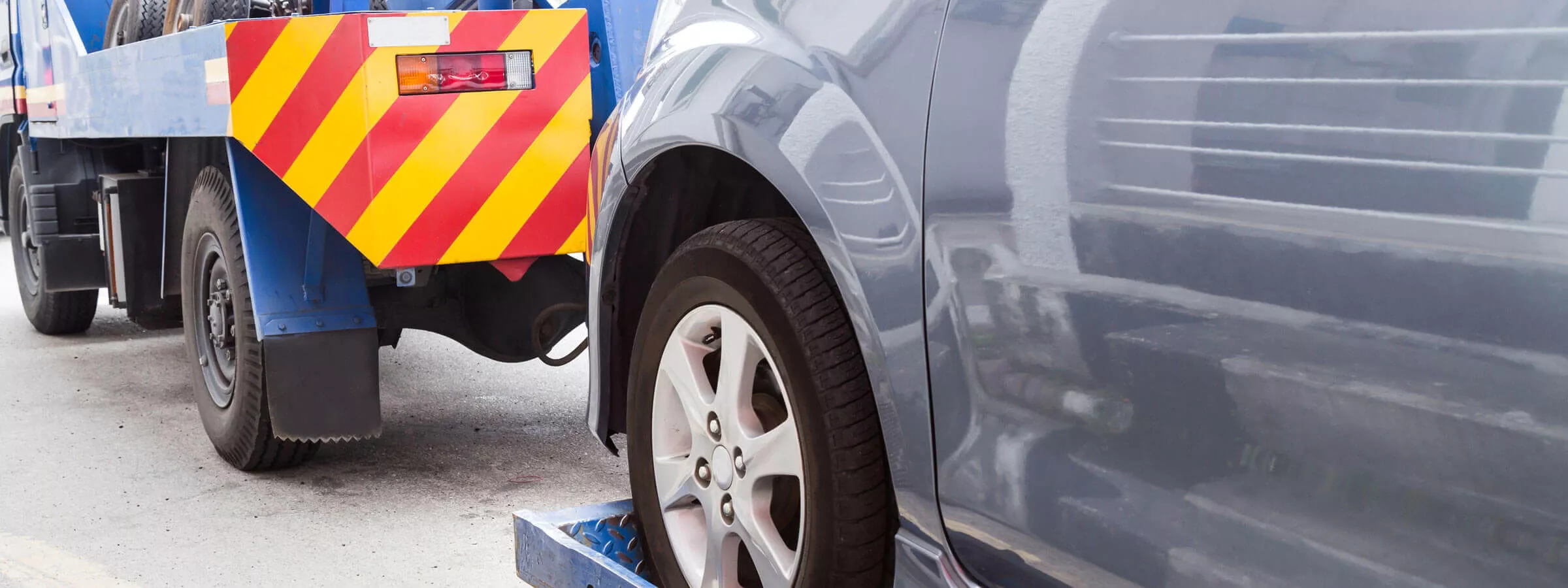
Sometimes a tire blowout causes damage that makes driving unsafe. In these cases, towing becomes the safest option for transporting the vehicle to a repair facility.
When Emergency Roadside Towing Is Necessary
Emergency roadside towing is often required when the wheel rim is damaged, suspension components are affected, or the vehicle cannot maintain safe handling characteristics after the blowout.
Professional towing helps prevent additional mechanical damage and protects the safety of everyone on the road.
Advantages of Professional Vehicle Transport
Transporting a damaged vehicle using proper towing equipment helps ensure safe handling and minimizes further wear. Professional operators follow established safety procedures and understand how to secure vehicles correctly during transportation.
When searching for a dependable tow truck in Surrey, choosing an experienced local provider can make a significant difference.
Preventing Future Tire Blowouts
Preventive maintenance remains one of the most effective ways to reduce the likelihood of tire-related emergencies. Regular inspections can identify problems before they result in roadside breakdowns.
Maintain Proper Tire Pressure
Incorrect tire pressure is one of the leading causes of tire failure. Drivers should check tire pressure regularly and ensure it matches the manufacturer's recommended specifications.
Proper inflation improves handling, fuel efficiency, and tire lifespan while reducing the risk of blowouts.
Schedule Regular Tire Inspections
Routine inspections allow drivers to identify uneven wear, tread damage, punctures, and sidewall defects before they become dangerous. Professional inspections can help extend tire life and improve overall vehicle safety.
Drivers who prioritize maintenance are less likely to require emergency roadside towing or road assistance service support.
Choosing Reliable Roadside Support in Surrey
Roadside emergencies often occur unexpectedly. Having access to dependable support services before an emergency happens can make the experience much less stressful.
Selecting a Trusted Local Provider
Drivers should look for service providers with experience, professional equipment, and strong knowledge of local road conditions. Fast response times and qualified operators contribute to safer roadside outcomes.
Learn more about our tow truck in Surrey solutions for local drivers and visitors.
Why Local Experience Matters
Local providers understand Surrey traffic patterns, common accident locations, and road conditions. This familiarity helps improve response efficiency during roadside emergencies and vehicle breakdowns.
BC Towing continues to support drivers throughout Surrey with emergency roadside towing, roadside service, instant roadside assistance, and dependable road assistance service solutions.
For additional support, drivers can also explore our roadside service solutions for tire failures, battery issues, lockouts, and other roadside emergencies.
Conclusion
A tire blowout can happen at any time, but knowing how to respond can significantly improve safety. Staying calm, maintaining vehicle control, moving to a safe location, and assessing the damage are important first steps. When roadside conditions are unsafe or vehicle damage is extensive, professional emergency roadside towing may be the safest solution.
At BC Towing, we help drivers throughout Surrey manage roadside emergencies with reliable roadside service, instant roadside assistance, road assistance service, and tow truck in Surrey solutions. If you need help after a tire blowout or any roadside emergency, contact us for professional assistance and support.
Frequently Asked Questions
1. What should I do immediately after a tire blowout?
Maintain control of the vehicle, avoid sudden braking, gradually reduce speed, and move to a safe location away from traffic before assessing the situation.
2. When should I call emergency roadside towing?
You should call emergency roadside towing when the vehicle cannot be driven safely, the wheel is damaged, or additional mechanical issues are suspected.
3. Can roadside service replace a blown tire?
Yes. Many roadside service providers can install a spare tire if conditions are safe and the vehicle has a usable spare available.
4. How does instant roadside assistance help after a blowout?
Instant roadside assistance provides professional support, vehicle inspections, tire replacement assistance, and towing recommendations when necessary.
5. When should I request a tow truck in Surrey?
A tow truck in Surrey should be requested when driving is unsafe, significant vehicle damage is present, or roadside tire replacement cannot be performed safely.