
Modern roads are busier than ever, and vehicle breakdowns or accidents can happen without warning. When a vehicle becomes immobilized, professional towing and recovery services play a crucial role in restoring safety and traffic flow. Understanding how experts safely remove vehicles help drivers appreciate the technical skills, safety procedures, and specialized equipment involved.
This guide explains how towing and recovery operations work, the steps professionals follow, and why trained operators are essential for safe vehicle removal. Companies such as BC Towing follow structured recovery processes designed to minimize risks to drivers, pedestrians, and surrounding property.
Understanding Towing and Recovery Services
Towing and recovery refers to the professional process of removing disabled, damaged, or stranded vehicles from roads, accident scenes, and difficult environments. While towing typically involves transporting a vehicle, recovery focuses on safely retrieving vehicles stuck in hazardous or inaccessible conditions.
Professional teams offering towing and recovery rely on planning, safety assessments, and modern equipment to prevent further damage during removal.
Difference Between Towing and Recovery
Towing involves transporting a functional but disabled vehicle, while recovery includes complex extraction procedures. Recovery may involve overturned vehicles, off-road incidents, or collision situations requiring technical expertise.
Recovery specialists assess terrain, vehicle condition, and safety risks before beginning operations. This structured approach ensures efficient handling without increasing hazards.
Why Safe Vehicle Removal Matters
Vehicle removal is not simply about moving a car. Improper handling can worsen mechanical damage, create road hazards, or cause injuries.
Professionally managed towing and recovery protects:
- Road users and emergency responders
- Vehicle structural integrity
- Traffic flow efficiency
- Environmental safety
- Insurance documentation accuracy
BC Towing emphasizes safety-first practices that align with industry standards and local roadway regulations.
Risks of Improper Vehicle Removal
Untrained towing attempts can result in secondary accidents or equipment failure. Incorrect attachment points or unstable lifting angles may cause further damage.
Professional operators reduce these risks through training, inspection protocols, and controlled recovery procedures that prioritize safety over speed.
Step-by-Step Process of Towing and Recovery Operations
Every towing and recovery scenario follows a structured workflow designed to ensure safety and efficiency.
Initial Scene Assessment
Operators first evaluate the situation upon arrival. They analyze traffic conditions, vehicle position, road surface, and potential hazards.
Key assessment factors include:
- Vehicle weight and stability
- Presence of fluids or debris
- Weather conditions
- Traffic management needs
- Required recovery equipment
This evaluation determines whether standard towing or advanced vehicle recovery Surrey procedures are necessary.
Securing the Area
Before moving the vehicle, technicians establish safety zones using cones, lighting, and warning signals.
Proper scene control protects both workers and drivers. Companies like BC Towing coordinate with authorities when accident towing in Surrey services involve collision scenes.
Equipment Used in Professional Recovery
Modern towing and recovery depend heavily on specialized machinery designed for different vehicle situations. Each type of equipment serves a specific purpose, ensuring vehicles are removed safely without causing additional mechanical damage or roadway risks. Professional operators evaluate vehicle size, positioning, terrain conditions, and traffic environment before selecting the appropriate tools.
Flatbed Tow Trucks
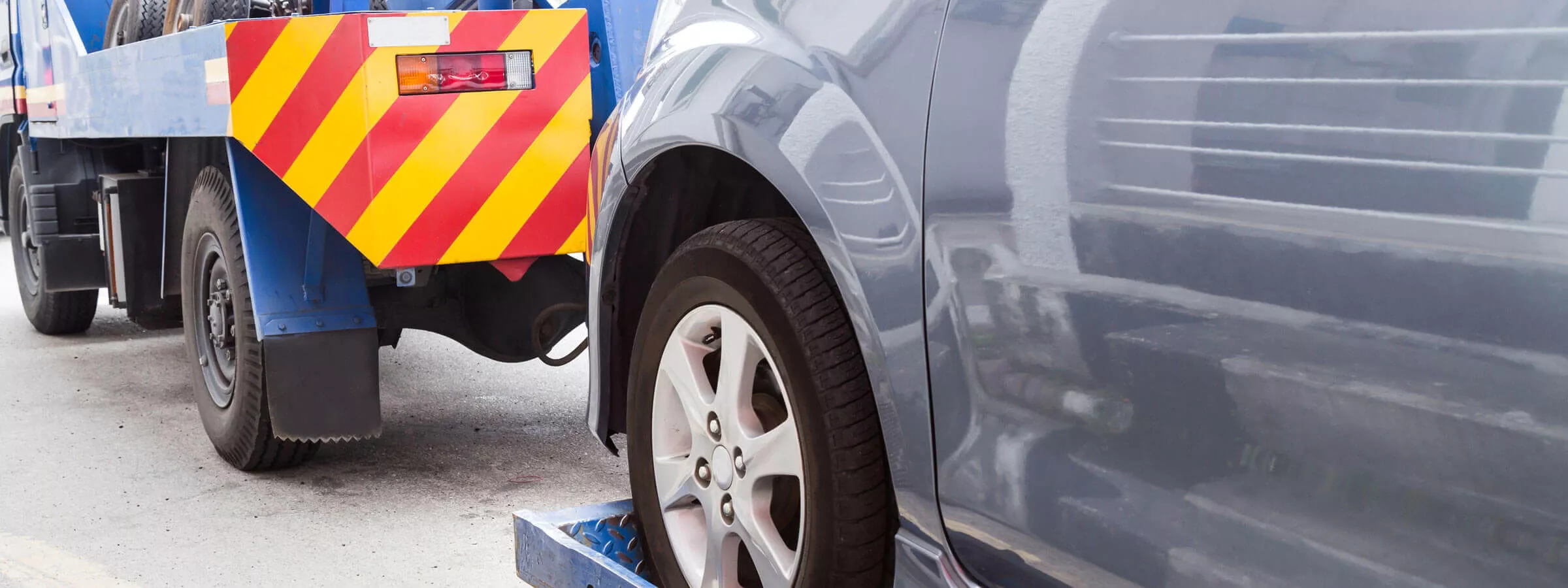
Flatbed tow trucks are widely considered one of the safest transportation methods within towing and recovery operations. These trucks feature a fully adjustable hydraulic platform that tilts and slides, allowing vehicles to be loaded without dragging or lifting stress.
Wheel Lift Systems
Wheel lift towing uses a metal yoke positioned under either the front or rear wheels to lift part of the vehicle while the remaining wheels stay on the road. This method is efficient for short-distance towing and urban recovery situations.
Winches and Recovery Tools
Winches are essential during vehicle recovery Surrey operations involving vehicles stuck in ditches, snowbanks, mud, or uneven terrain. A winch uses a high-strength steel cable or synthetic rope powered by hydraulic or electric motors to pull vehicles safely toward stable ground.
Operators calculate pull angles carefully to prevent rollover risks while extracting vehicles safely.
Accident Scene Recovery Procedures
Accident towing in Surrey operations require additional coordination due to safety and legal considerations. Recovery teams must carefully manage traffic control, communicate with authorities, assess hazards, and ensure secure vehicle handling before removal begins.
Coordination with Emergency Services
Recovery teams often work alongside police, firefighters, and medical personnel. Their role begins only after emergency clearance.
Proper coordination ensures:
- Evidence preservation
- Safe vehicle removal
- Controlled traffic reopening
BC Towing follows structured communication protocols during complex accident recovery situations.
Handling Damaged Vehicles
Vehicles involved in collisions may have compromised frames or leaking fluids. Technicians stabilize vehicles before moving.
Specialized straps and soft tie-down systems prevent additional structural stress during towing and recovery procedures.
Vehicle Recovery in Challenging Conditions
Not all recoveries happen on paved roads. Weather conditions, terrain instability, and limited accessibility frequently complicate removal operations. Professional towing and recovery teams must adapt their methods depending on environmental risks while maintaining safety for operators, vehicles, and surrounding traffic.
Off-Road and Weather-Based Recovery
Snow, mud, steep slopes, and uneven terrain require specialized planning before recovery begins. Operators carefully evaluate multiple factors to determine the safest extraction method:
- Ground traction and surface stability
- Vehicle positioning and weight distribution
- Safe anchor points for recovery equipment
- Environmental hazards such as water or debris
Vehicle recovery Surrey services often involve adjusting equipment configurations and recovery angles to safely remove vehicles from unpredictable and hazardous environments.
Urban Recovery Challenges
Recoveries in busy urban areas demand precision and situational awareness. Operators must manage traffic flow while positioning equipment safely within limited space. Services such as clover towing Langley and roadway towing delta bc frequently handle complex recoveries in dense traffic zones where controlled maneuvering and quick decision-making are essential.
Safety Standards Followed by Professional Operators
Professional towing and recovery companies operate under strict safety guidelines designed to reduce operational risks. Standardized procedures ensure consistent service quality while protecting drivers, recovery personnel, and public infrastructure during vehicle removal and transportation.
Operator Training and Certification
Recovery professionals complete technical training covering vehicle dynamics, equipment handling, hazard recognition, and roadside safety practices. This preparation enables operators to respond effectively to complex towing and recovery scenarios, ensuring vehicles are removed without creating additional risks or compromising roadway safety.
Equipment Inspection and Maintenance
Routine equipment inspections help prevent mechanical failure during recovery operations. Operators conduct regular evaluations of cables, hydraulic systems, braking components, and load capacities. BC Towing prioritizes preventative maintenance practices to ensure equipment reliability and consistent performance across different towing and recovery situations.
Role of Technology in Modern Towing and Recovery
Technology has significantly improved efficiency and safety in towing operations. Modern towing and recovery providers use digital systems to enhance coordination, streamline communication, and improve response accuracy between dispatch centers and field operators during emergency and scheduled service calls.
GPS Dispatch and Response Systems
Advanced dispatch technology assigns the closest available operator, reducing response times and minimizing traffic disruption. Real-time GPS tracking allows dispatch teams to monitor progress, adjust routes based on traffic conditions, and prepare recovery crews appropriately for accident towing in Surrey situations requiring specialized equipment.
Digital Documentation
Digital documentation tools record vehicle condition through photos and electronic reports before transportation begins. These records support insurance processing and maintain transparency between service providers and vehicle owners. Technology-driven documentation helps towing and recovery teams ensure accountability and accurate service reporting.
Choosing a Reliable Towing Provider
Drivers should understand what makes a professional towing company dependable. Selecting the right towing and recovery provider influences safety outcomes, service efficiency, and overall roadside experience during stressful breakdown or accident situations.
Key Factors to Consider
When evaluating towing providers, drivers should review several important factors:
- Certification and professional operator training
- Availability of modern towing and recovery equipment
- Local experience handling accident towing in Surrey scenarios
- Transparent communication and clear service explanations
- Commitment to safety-focused recovery procedures
BC Towing maintains consistent service standards by emphasizing technical expertise, structured recovery procedures, and safety-focused operations rather than relying on promotional messaging.
Importance of Local Expertise
Local knowledge improves response times and efficiency. Providers familiar with regional traffic patterns and road conditions deliver safer outcomes.
Services such as clover towing Langley and roadway towing Delta BC benefit operators who understand local infrastructure challenges.
How BC Towing Supports Safe Vehicle Removal
BC Towing applies standardized recovery methods designed to prioritize safety and efficiency. Their structured approach combines trained operators, advanced equipment, and careful planning.
Across different service areas, including accident towing in Surrey and roadway towing Delta BC, the focus remains on responsible vehicle handling rather than rapid removal alone.
The company integrates assessment, stabilization, and controlled transport processes to ensure vehicles are safely relocated without additional damage.
Conclusion
Safe vehicle removal requires planning, training, and specialized equipment. Professional towing and recovery services ensure disabled or damaged vehicles are removed without creating additional hazards. From accident scenes to off-road recoveries, structured processes protect drivers, infrastructure, and vehicles alike.
Companies such as BC Towing demonstrate how technical expertise and safety-focused operations improve roadside outcomes across regions served by clover towing Langley and roadway towing Delta BC teams. Understanding how recovery works helps drivers make informed decisions during stressful roadside situations.
If you need assistance or want to learn more about professional towing and recovery solutions contact us to connect with a qualified support team.
Frequently Asked Questions
1. What is the difference between towing and recovery?
Towing transports a vehicle from one location to another, while recovery involves safely extracting vehicles from difficult or hazardous conditions.
2 When is vehicle recovery required instead of towing?
Vehicle recovery Surrey services are needed when vehicles are stuck, overturned, or located off-road where standard towing cannot be performed.
3. Is accident towing different from regular towing?
Yes. Accident towing in Surrey requires coordination with emergency responders and additional safety procedures to protect evidence and prevent hazards.
4. How long does a towing and recovery operation take?
Time varies depending on vehicle conditions, location, and traffic conditions. Simple towing may take minutes, while recovery operations can take longer.
5. Can towing damage my vehicle?
Professional operators use proper equipment and secure attachment methods to prevent damage during towing and recovery procedures.